Nudge Security has carved out a distinctive position in the SaaS security market with its human-centric approach. Rather than blocking employee access to unsanctioned applications, Nudge discovers SaaS through email analysis and engages users through contextual "nudges" that guide them toward secure behavior.
While Nudge's philosophy resonates with organizations tired of restrictive security controls, the platform's emphasis on discovery and engagement over automated remediation leaves gaps for teams that need to fix problems, not just find them.
If you're evaluating Nudge Security or looking for alternatives with stronger remediation capabilities, this guide covers the competitors worth considering.
Several factors drive teams to explore options beyond Nudge:
Limited automated remediation.
Nudge excels at discovering SaaS and engaging employees, but actually fixing issues requires manual effort or separate tools. Organizations with limited security staff need platforms that automate remediation.
Pricing complexity.
Nudge charges $5/user/month for the base platform, plus $50/month per app for deep security posture management integrations. Costs add up quickly for organizations with many critical applications.
Discovery method constraints.
The email-based discovery approach catches SaaS tied to corporate email but may miss applications where employees use personal accounts or alternative authentication.
Engagement over enforcement.
Nudge's philosophy of guiding rather than blocking works well culturally but provides limited options when users ignore nudges or when immediate action is required.
Growing but newer.
Despite strong funding, Nudge has fewer customers than most and a shorter track record than established competitors, raising questions for risk-averse enterprises.
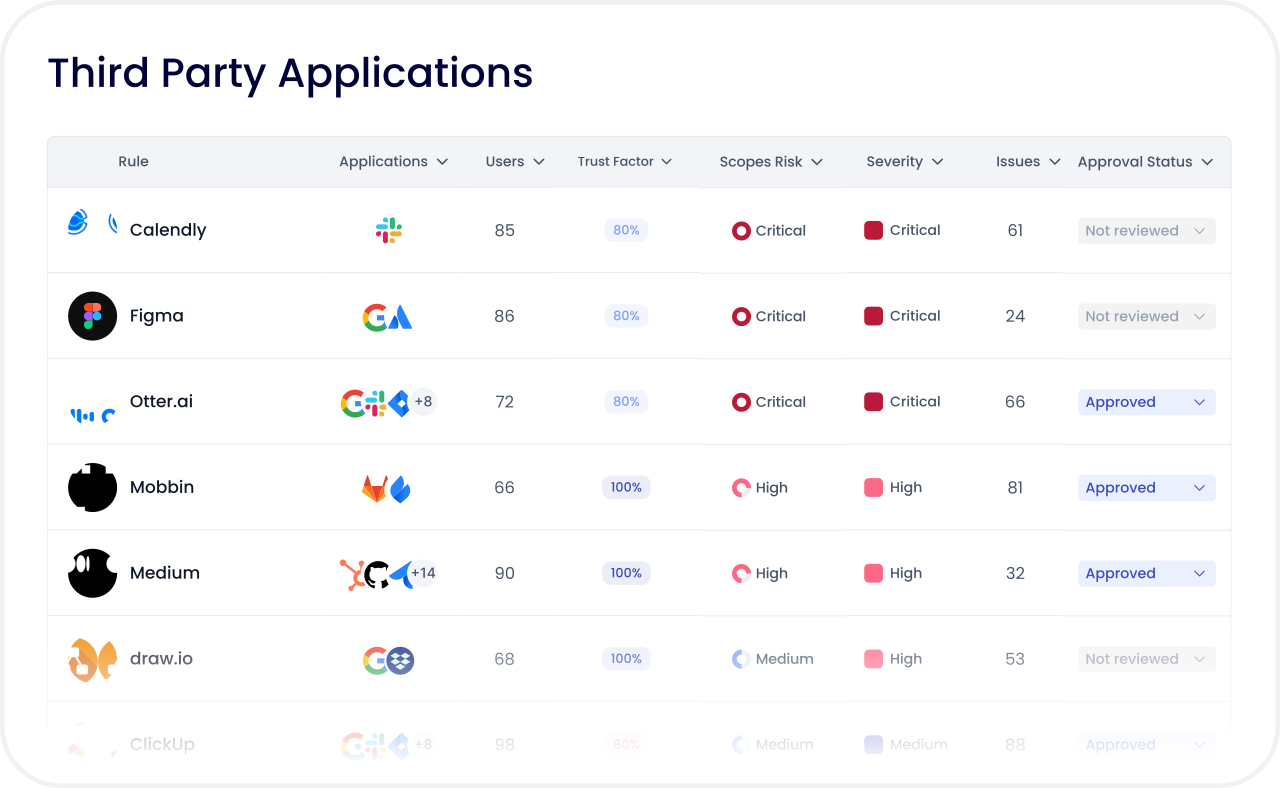
Best for: Organizations wanting automated remediation alongside discovery
Perimeters delivers the SaaS visibility that Nudge provides while adding the automated remediation capabilities that Nudge lacks. The platform discovers shadow SaaS and shadow AI, monitors security posture, and actually fixes problems through bulk actions and automated workflows.
Where Nudge stops at discovery and engagement, Perimeters provides the complete security lifecycle: find issues, prioritize them by actual risk, and resolve them without manual intervention for each finding.
Key capabilities:
Pricing: $3 per active user per month. Published and predictable.
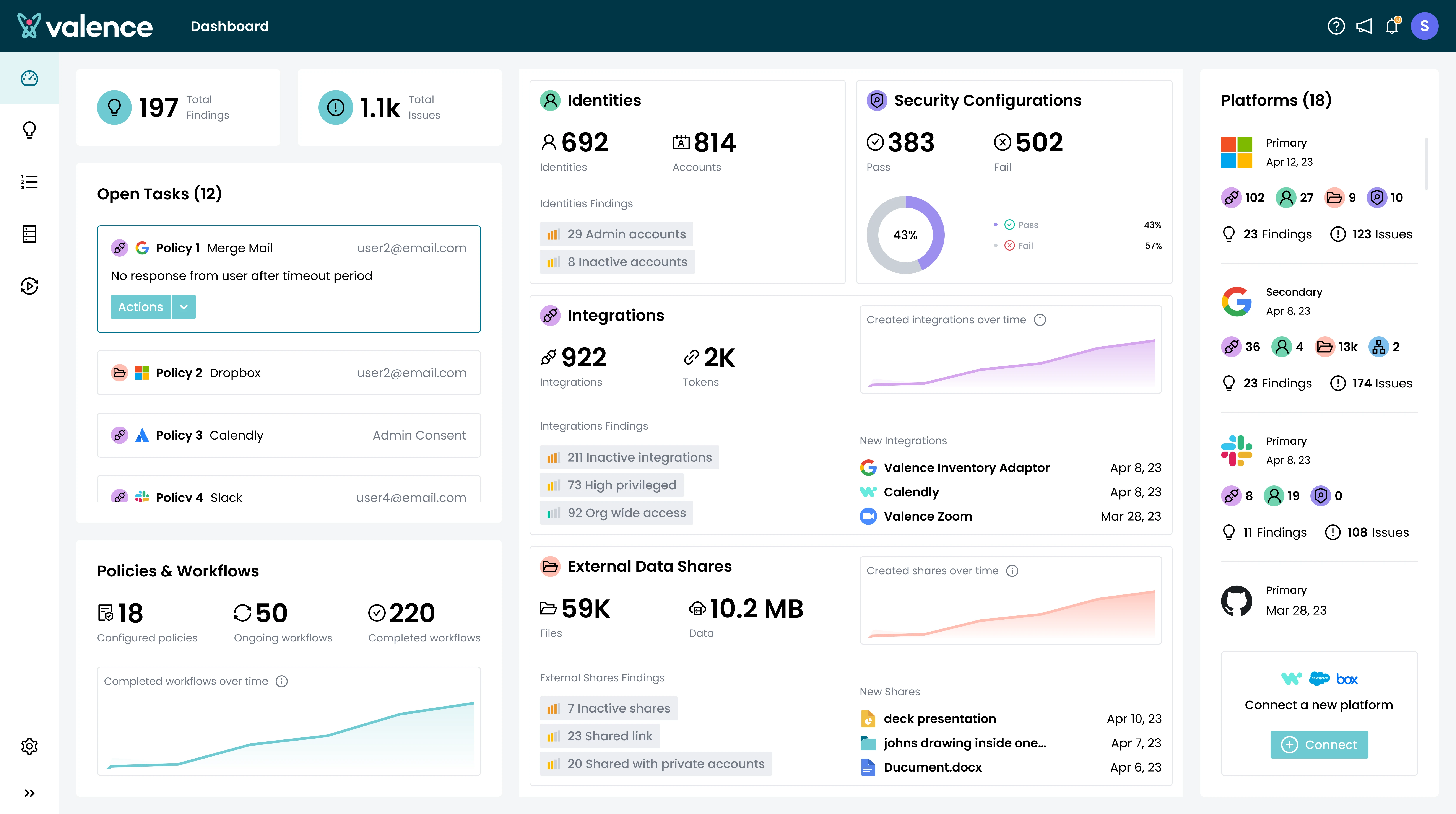
Best for: Microsoft-heavy environments with collaboration security needs
Valence provides agentless SaaS security with strong Microsoft 365 integration and emerging AI security capabilities.
Key capabilities:
Where it falls short:
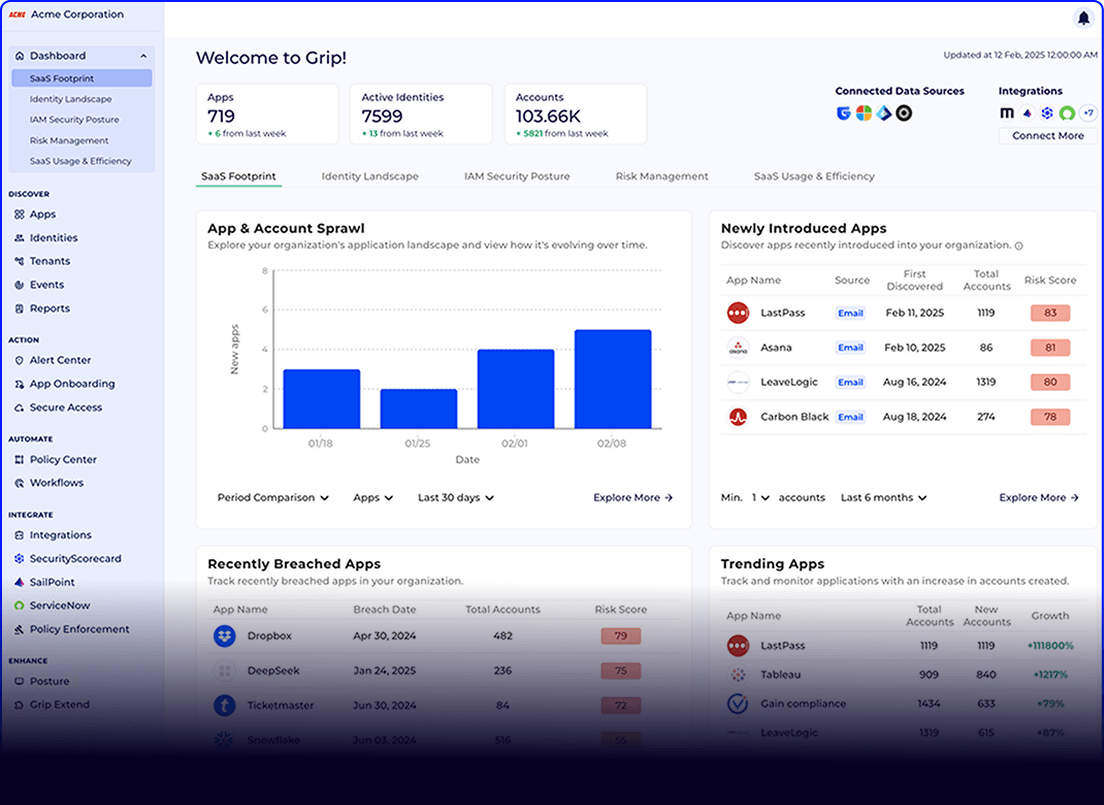
Best for: Shadow SaaS discovery at enterprise scale
Grip emphasizes discovering unknown SaaS applications and understanding identity risks across large organizations.
Key capabilities:
Where it falls short:
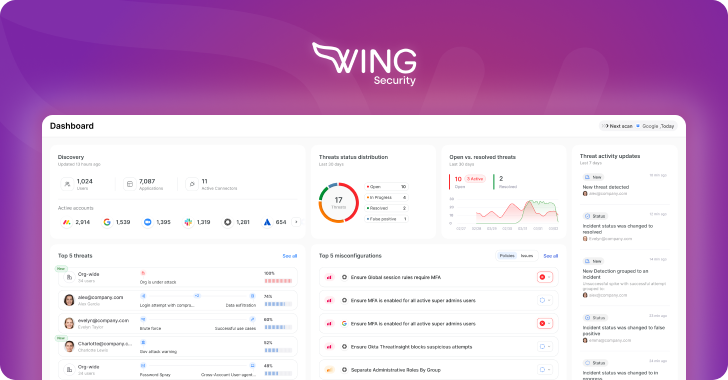
Best for: Organizations wanting freemium entry into SaaS security
Wing Security offers a free tier that provides basic visibility, with paid tiers adding deeper capabilities.
Key capabilities:
Where it falls short:
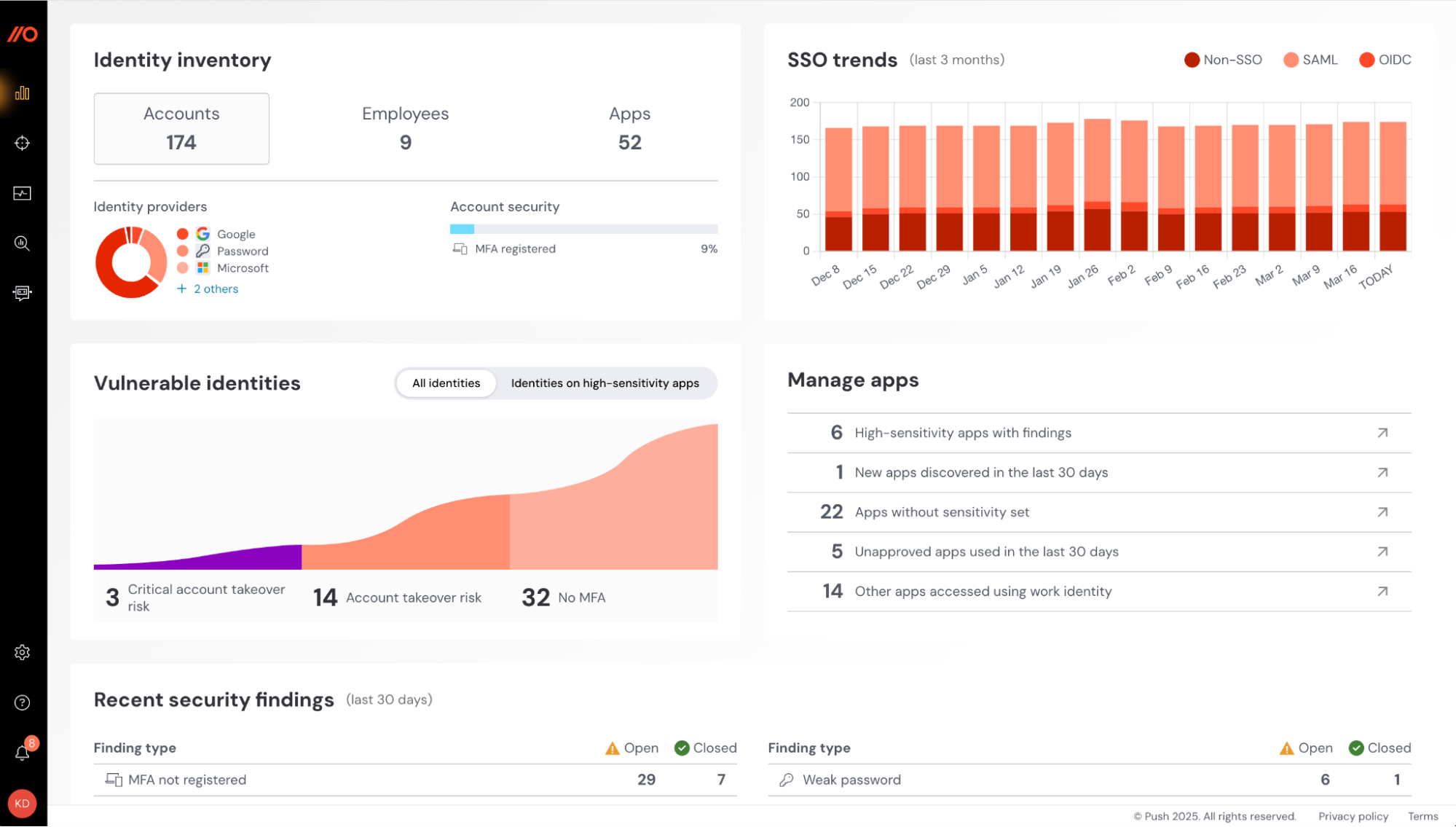
Best for: Browser-based security with real-time intervention
Push Security takes a browser-centric approach, deploying extensions that provide real-time visibility and intervention.
Key capabilities:
Where it falls short:

Best for: Data access governance in collaboration platforms
DoControl focuses on data-centric security, controlling access to sensitive information across SaaS applications rather than just monitoring configurations.
Key capabilities:
Where it falls short:
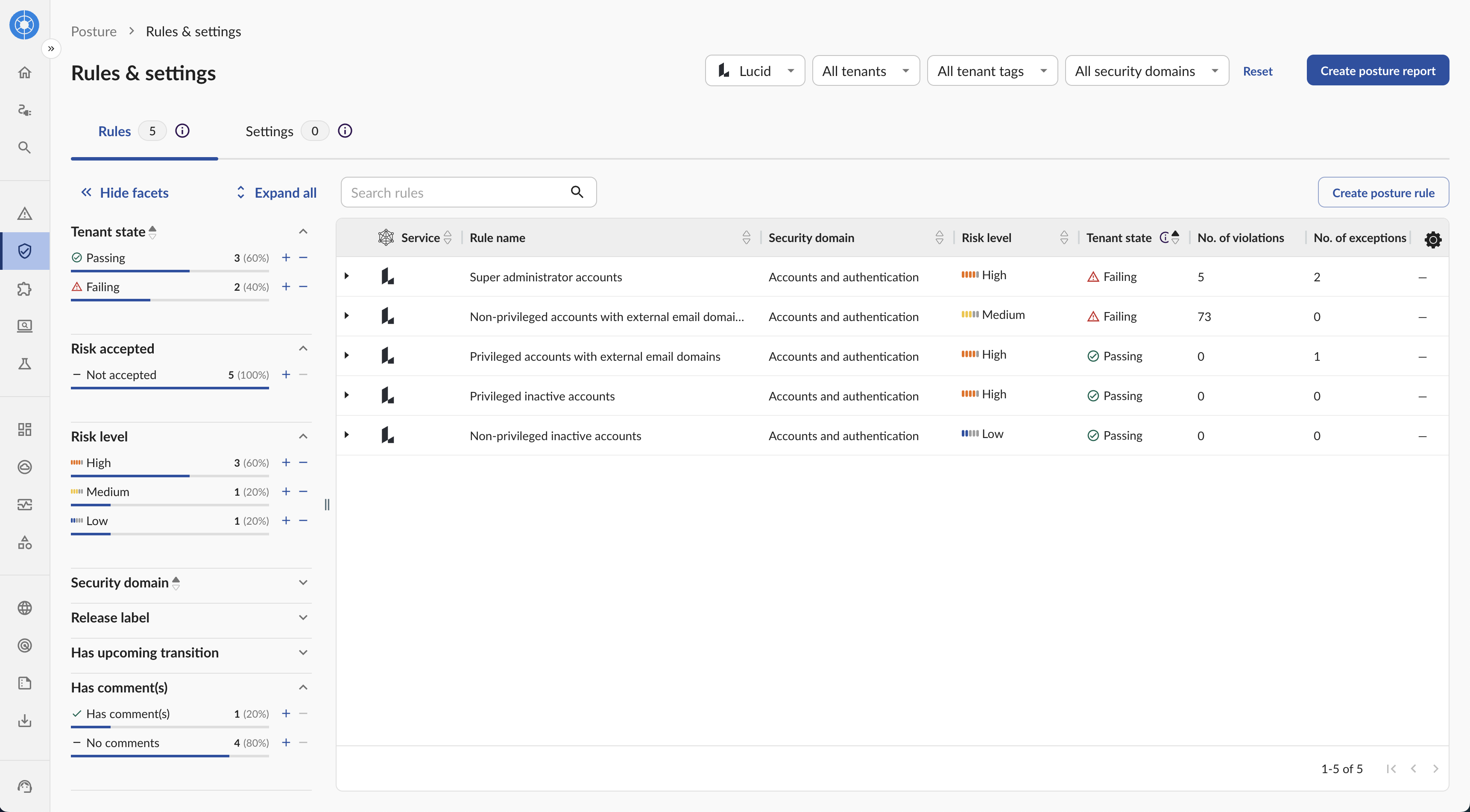
Best for: Security operations teams with threat detection requirements
Obsidian combines SaaS security posture management with behavioral analytics, targeting SOC teams that need investigation capabilities.
Key capabilities:
Where it falls short:
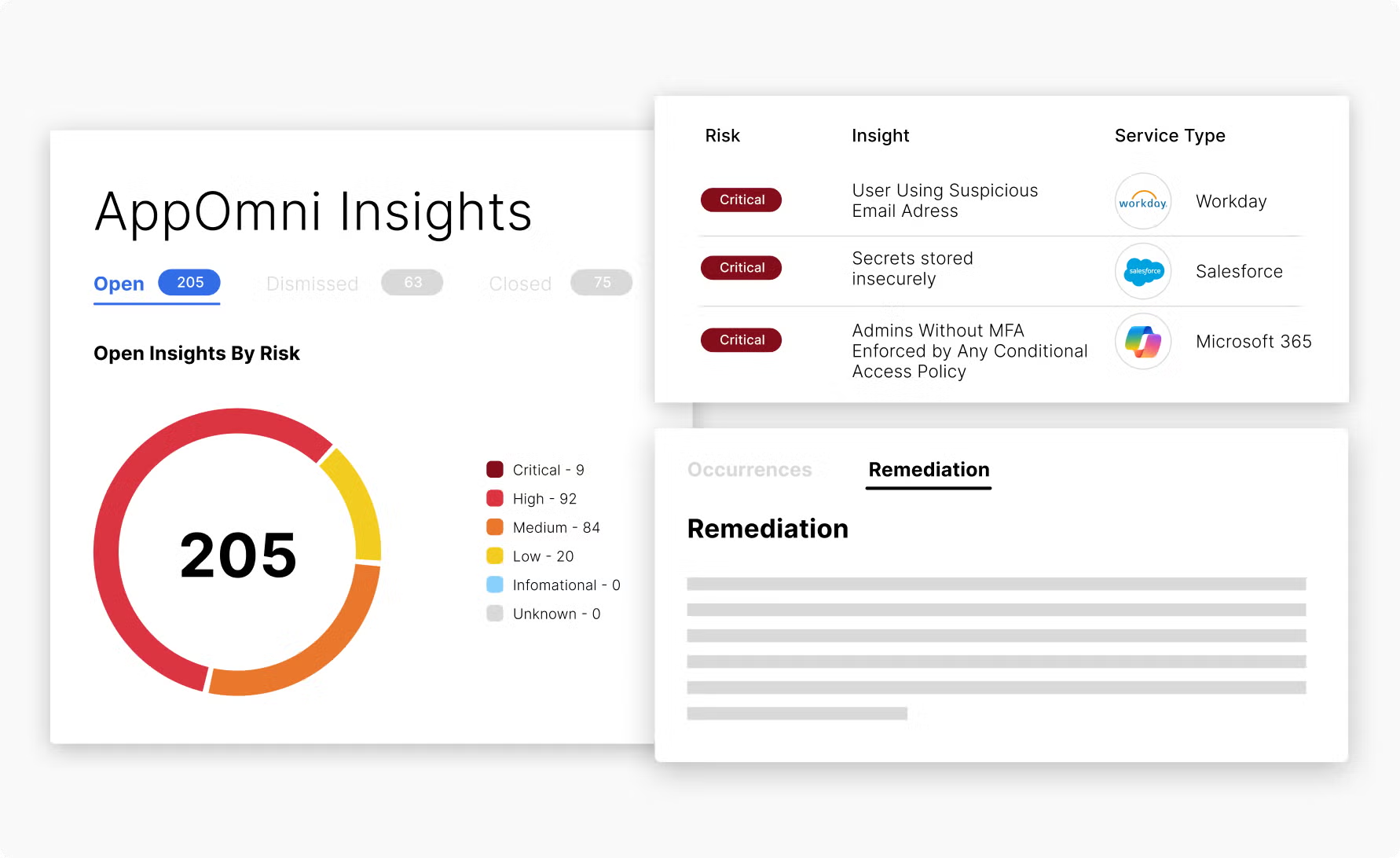
Best for: Deep security for Salesforce and enterprise platforms
AppOmni specializes in security posture management for major enterprise applications, particularly Salesforce and ServiceNow.
Key capabilities:
Where it falls short:
Best for: Organizations already invested in CrowdStrike
CrowdStrike acquired Adaptive Shield in late 2024, integrating SaaS security posture management into its Falcon platform.
Key capabilities:
Where it falls short:
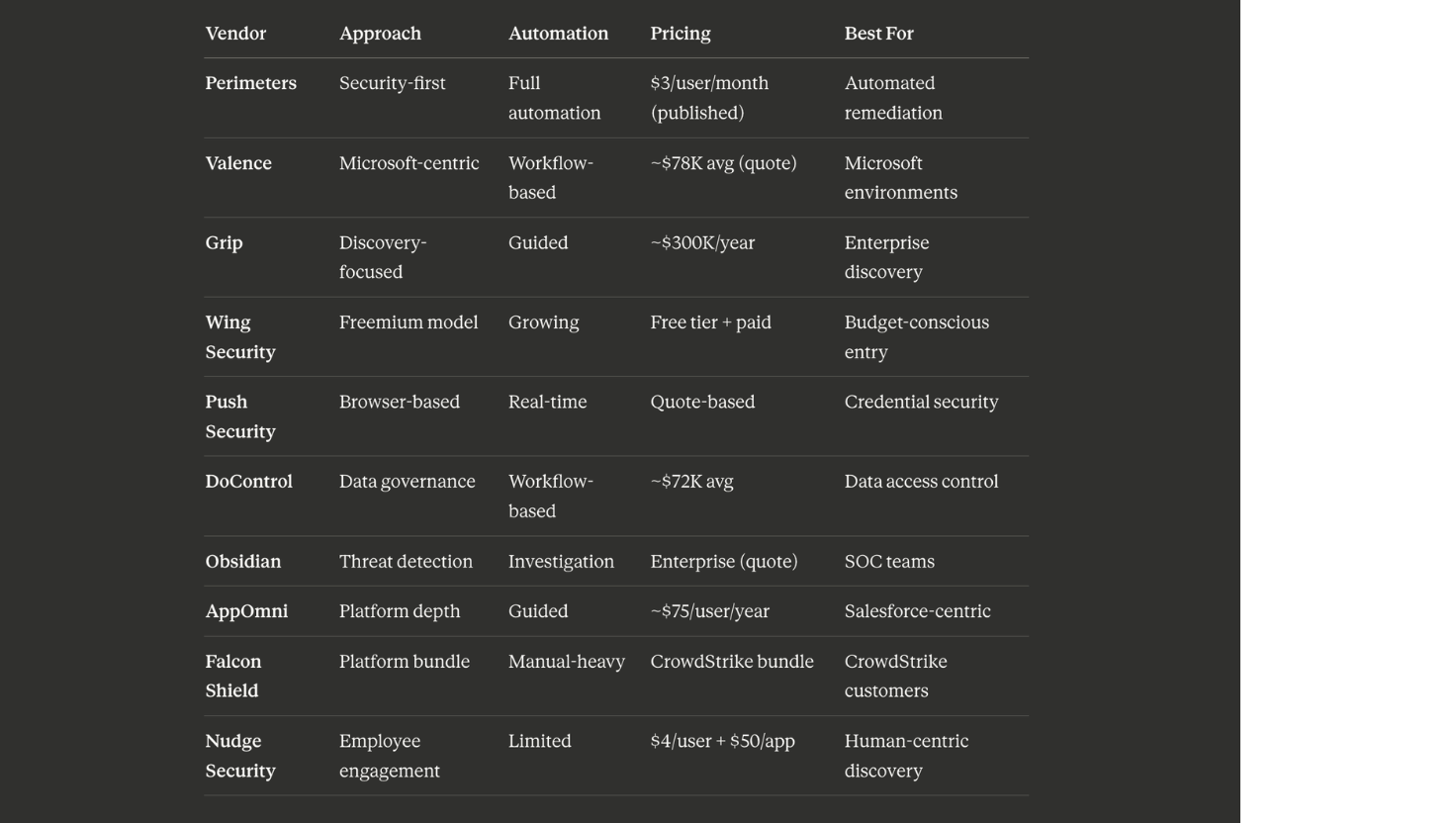
Your choice depends on what capabilities you need most:
For automated remediation: Perimeters delivers the discovery Nudge provides plus the automated fixing that Nudge lacks. Organizations with limited security staff should prioritize platforms that automate resolution.
For Microsoft depth: Valence provides strong Microsoft 365 integration for Microsoft-centric environments.
For data governance: DoControl focuses on controlling access to sensitive information across collaboration platforms.
For threat detection: Obsidian combines posture management with behavioral analytics for security operations teams.
For budget entry: Wing Security's free tier provides visibility before commitment, though value requires paid upgrade.
The fundamental question is whether your organization needs discovery and engagement (Nudge's strength) or discovery and automated action (what alternatives provide). Most security teams lack bandwidth for manual remediation at scale, making automation-first platforms more practical despite Nudge's cultural appeal.
Ready to see what automated SaaS security looks like?
Start your free trial at Perimeters and get complete visibility with automated remediation.
Nudge Security excels at discovering SaaS applications through email analysis and engaging employees through contextual "nudges" rather than blocks. It's ideal for organizations wanting visibility into shadow SaaS and GenAI adoption while maintaining a collaborative security culture. However, teams needing automated remediation or deep configuration monitoring may find its capabilities limiting.
Nudge Security charges $5 per user per month, plus $50 per month for each app requiring deep integration. Organizations under 150 users pay a $750 flat monthly fee. By comparison, Perimeters offers comprehensive SSPM at $3 per user with no per-app fees, while enterprise alternatives like Grip and Valence typically start at $78,000 to $300,000 annually.
No. Nudge provides strong discovery and employee engagement but lacks continuous configuration monitoring, automated remediation, and deep compliance mapping. Most organizations use Nudge alongside other security tools rather than as a complete SSPM replacement. For comprehensive SaaS security in a single platform, alternatives like Perimeters or Valence provide more complete coverage.