Zylo has built a reputation as a SaaS management platform focused on spend optimization and license management. The company earned recognition in Gartner's Magic Quadrant for SaaS Management Platforms and serves enterprise IT, procurement, and software asset management teams.
But Zylo's spend-first approach leaves gaps for organizations that need security alongside cost optimization. The platform partners with Netskope for security insights rather than building native capabilities, and its quote-based pricing creates budget uncertainty that frustrates finance teams.
If you're evaluating Zylo or looking for alternatives that better balance cost management with security posture, this guide breaks down the top competitors worth considering.
Several factors drive teams to explore options beyond Zylo:
Security as an afterthought.
Zylo focuses primarily on spend and license optimization. Security capabilities come through a Netskope partnership rather than native functionality, creating gaps for security-conscious organizations.
Hidden pricing.
Zylo doesn't publish pricing, requiring sales conversations for quotes. Vendr data shows median contracts around $36,000 annually, but costs vary significantly based on SaaS spend under management.
Enterprise complexity.
The platform targets large enterprises with dedicated IT asset management teams. Smaller organizations or those without SAM expertise may find it over-engineered.
Limited remediation.
Zylo excels at surfacing data about your SaaS environment but provides fewer automated workflows to actually fix problems.
Professional services dependency.
Many Zylo capabilities, including negotiation support and contract management, require add-on professional services at additional cost.
Best for: Organizations wanting SaaS security and management with transparent pricing
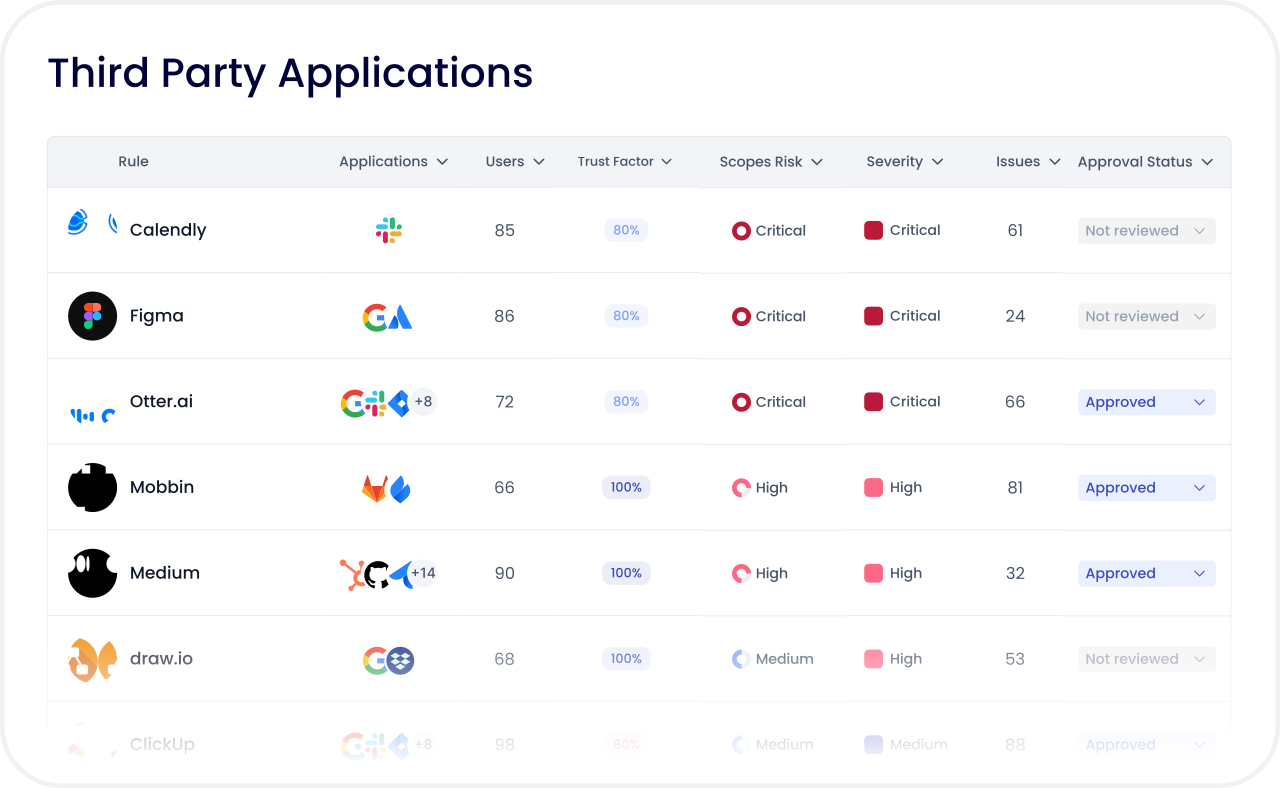
Perimeters takes a security-first approach to SaaS management, delivering the visibility and governance capabilities organizations need without the enterprise complexity or hidden costs that characterize platforms like Zylo.
While Zylo focuses primarily on spend optimization with security bolted on through partnerships, Perimeters builds security into the foundation. The platform discovers shadow SaaS and shadow AI, monitors configurations for security risks, surfaces identity governance issues, and provides automated remediation, all with pricing you can see before talking to sales.
Key capabilities:
Pricing: $3 per active user per month. Published and predictable.
Best for: Enterprises wanting application engagement analytics
Productiv emphasizes usage analytics, measuring how employees actually engage with SaaS applications to inform optimization decisions.
Key capabilities:
Where it falls short:
Best for: IT teams wanting workflow automation alongside discovery
Torii combines SaaS discovery with workflow automation, helping IT teams manage application lifecycles from procurement through offboarding.
Key capabilities:
Where it falls short:
Best for: Mid-market organizations wanting discovery and basic governance
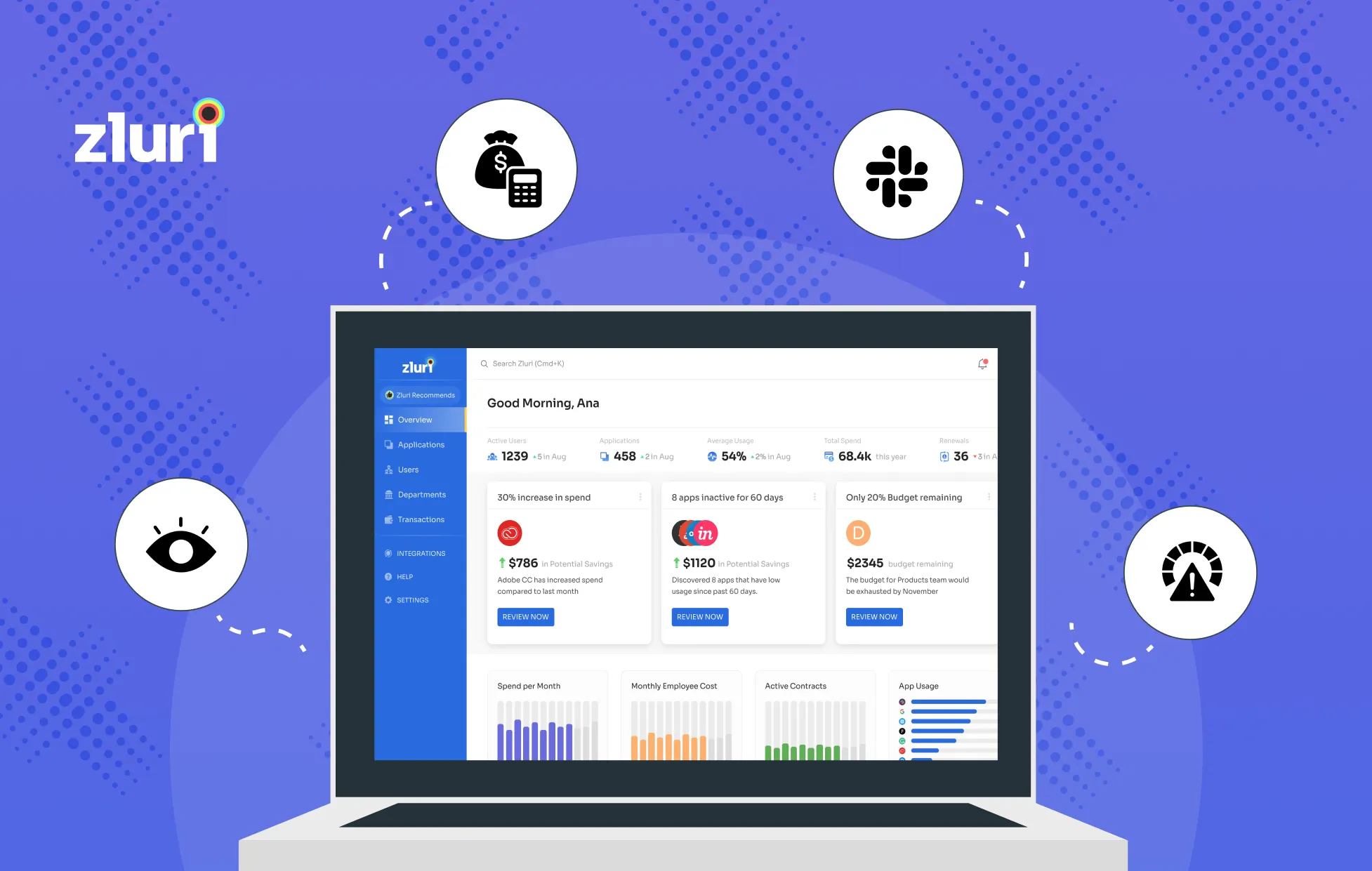
Zluri offers SaaS management with discovery capabilities that surface applications across the organization.
Key capabilities:
Where it falls short:
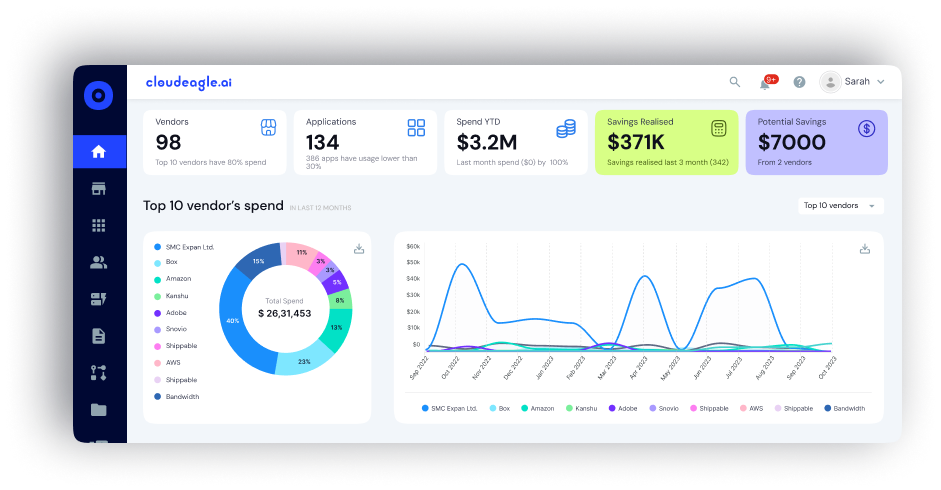
Best for: Procurement teams focused on negotiation and spend management
CloudEagle emphasizes SaaS procurement with price benchmarking and negotiation support as core capabilities.
Key capabilities:
Where it falls short:
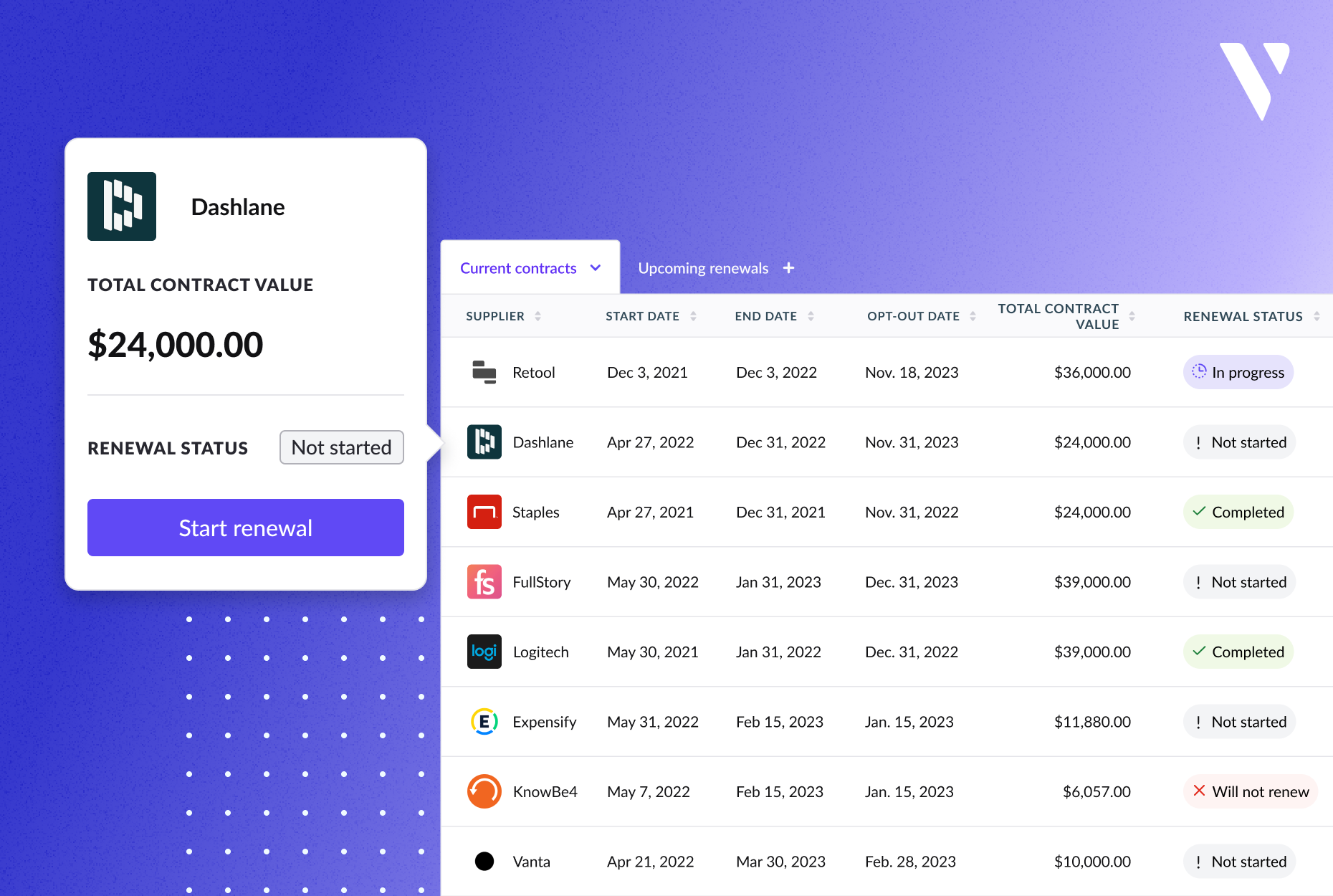
Best for: Organizations wanting buying assistance and price intelligence
Vendr focuses on SaaS purchasing, providing price benchmarks and negotiation support to help organizations get better deals.
Key capabilities:
Where it falls short:
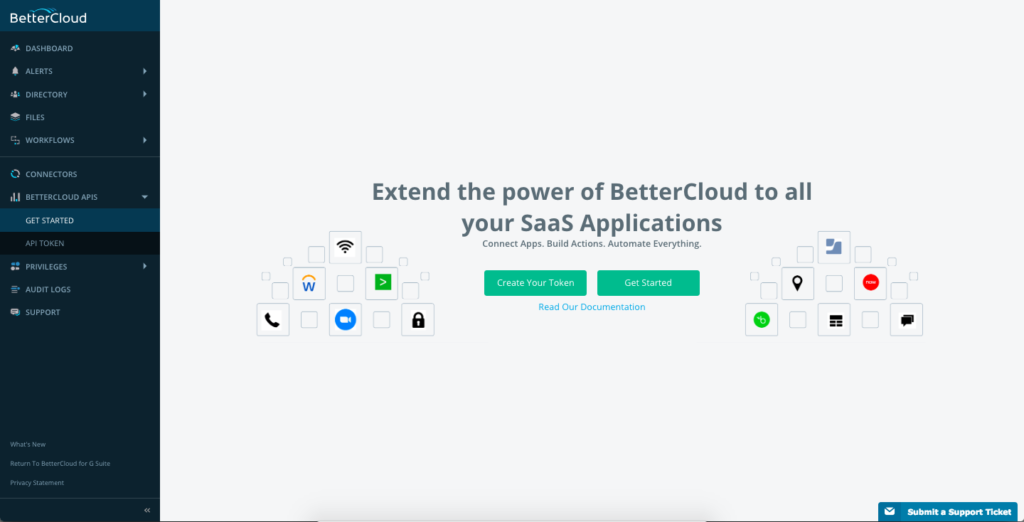
Best for: Google Workspace and Microsoft 365 management
BetterCloud provides SaaS operations capabilities with particular strength in Google Workspace and Microsoft 365 environments.
Key capabilities:
Where it falls short:
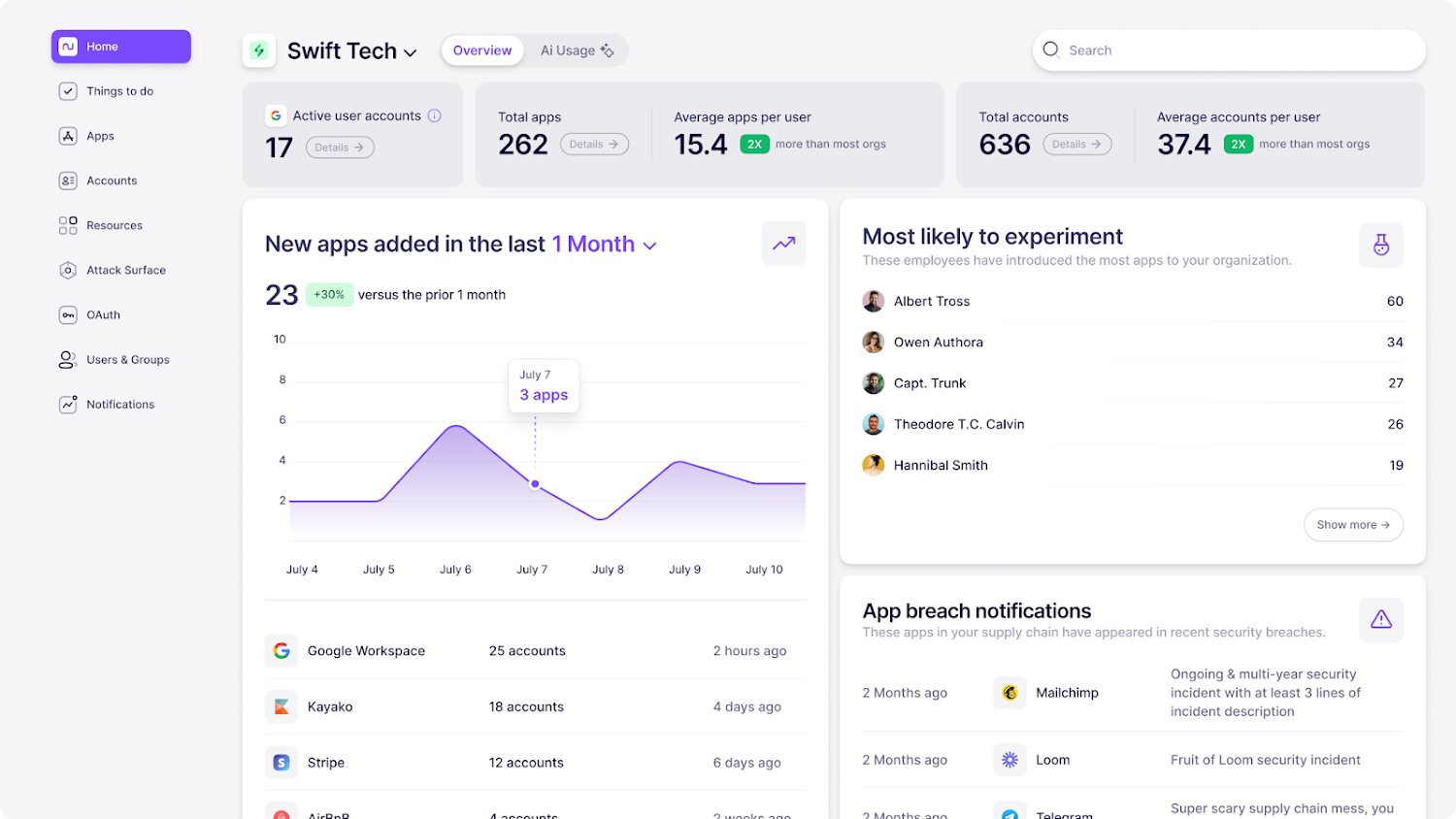
Best for: Security teams wanting employee engagement alongside discovery
Nudge Security takes a human-centric approach, discovering SaaS through email analysis and engaging employees through "nudges" rather than blocks.
Key capabilities:
Where it falls short:
Best for: Organizations focused on identity governance and access requests
Lumos positions itself as an "autonomous identity platform" combining access requests with governance capabilities.
Key capabilities:
Where it falls short:
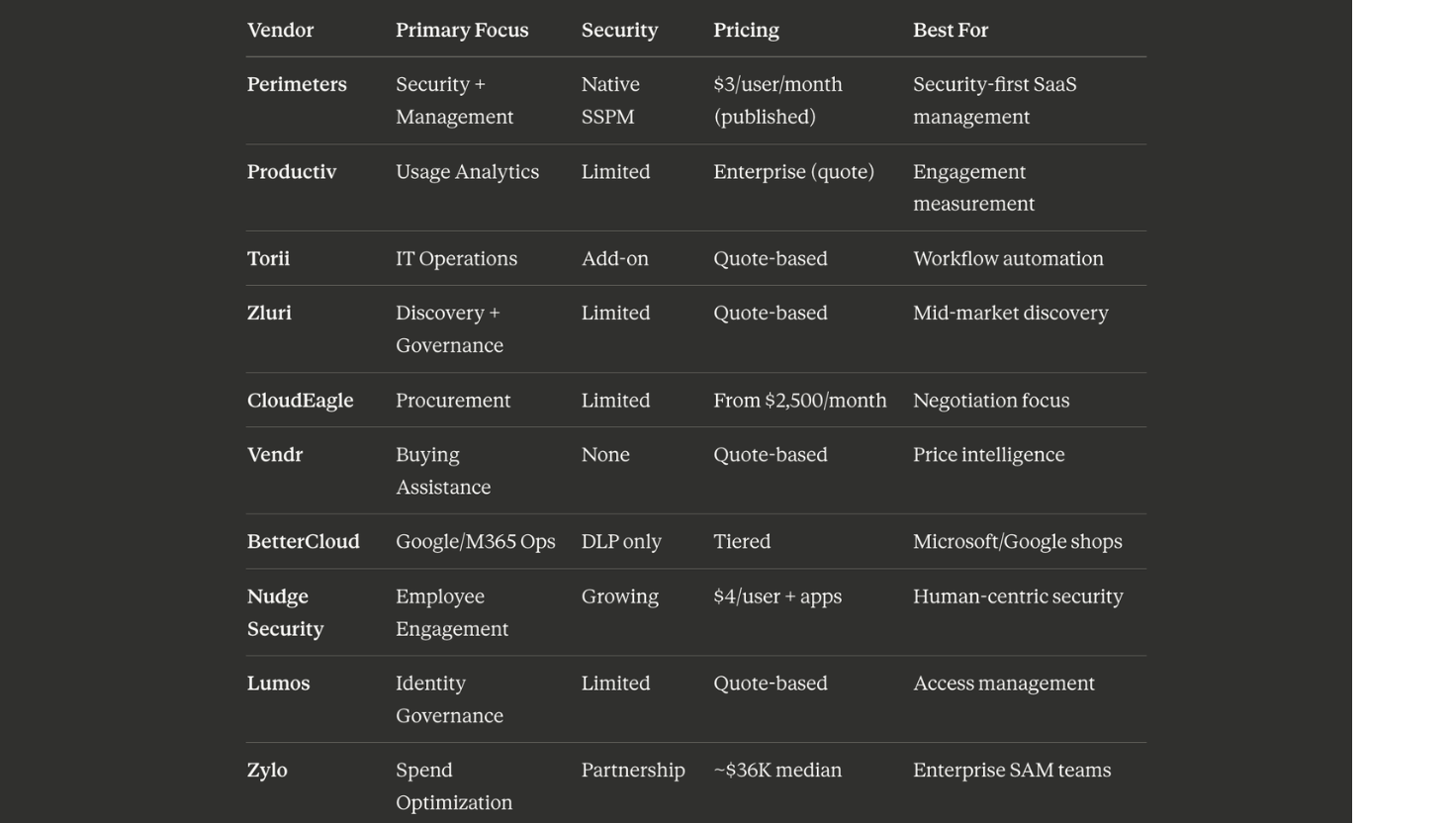
Your choice depends on what gaps you're trying to fill:
For security-first SaaS management: Perimeters delivers comprehensive SSPM with transparent pricing and automated remediation. Organizations that need security alongside governance should start here.
For spend optimization: CloudEagle and Vendr focus on procurement and negotiation if your primary goal is reducing SaaS costs.
For Google/Microsoft depth: BetterCloud provides deep capabilities for organizations centered on those ecosystems.
For employee engagement: Nudge Security's human-centric approach works for organizations that prefer guidance over enforcement.
For identity governance: Lumos addresses access request and entitlement management needs.
The reality is that most organizations need both security and cost optimization. Platforms that treat security as an afterthought or partnership create gaps that require additional tools to fill. Starting with security-first platforms like Perimeters often provides better foundation for comprehensive SaaS management.
Ready to see what security-first SaaS management looks like?
Start your free trial at Perimeters and get complete visibility in minutes.